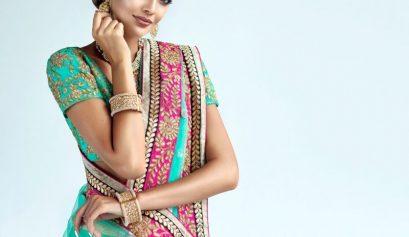
The Timeless Beauty of Indian Sarees
Indian sarees are one of the most graceful and versatile forms of traditional clothing for women. With their rich colors, beautiful patterns, and cultural significance, sarees have remained an important part of Indian fashion for generations. From everyday wear to weddings and festive celebrations, a saree can be styled for almost every occasion. Although fashion trends continue to change, the saree has successfully maintained its place as a timeless attire that represents elegance, tradition, and individuality.
A Symbol of Indian Culture and Tradition
The saree is more than just a piece of clothing. It reflects the diverse culture and heritage of India. Different regions of the country are known for their unique saree styles, weaving techniques, fabrics, and designs. Banarasi sarees are admired for their luxurious appearance and intricate patterns, while Kanjeevaram sarees are especially popular for weddings and traditional celebrations. Chanderi, Chikankari, Bandhani, Paithani, and Tant sarees are also appreciated for their distinctive regional characteristics. Each style tells a story about the traditions and craftsmanship of the community where it originated.
Variety of Fabrics and Designs
One of the biggest attractions of Indian sarees is the wide variety of fabrics available. Women can choose cotton sarees for comfortable everyday wear, silk sarees for weddings and celebrations, chiffon and georgette sarees for parties, or linen sarees for a sophisticated contemporary look. Designers also experiment with fabrics, embroidery, prints, borders, sequins, and embellishments to create modern sarees that appeal to younger generations. This variety makes it easy for women to find a saree that matches their personal style and the occasion.
Sarees for Every Occasion
Indian sarees can be worn for almost any event. Simple cotton or linen sarees are suitable for workplaces, casual gatherings, and daily activities. Heavily embroidered or embellished sarees are popular choices for parties and evening events. For weddings, many women prefer traditional silk sarees with detailed borders and elaborate designs. Festive occasions such as Diwali, Navratri, and family celebrations also provide an opportunity to wear colorful and traditional sarees. The ability to adapt to different occasions is one reason why sarees continue to be a favorite among women.
Modern Styling of Traditional Sarees
Although sarees are deeply connected with tradition, modern fashion has introduced many creative ways to style them. Women can pair traditional sarees with contemporary blouses, statement jewelry, stylish handbags, belts, or modern footwear. Different draping styles can also create completely different looks. Designers are introducing pre-stitched sarees and lightweight fabrics to make sarees easier to wear while maintaining their traditional appeal. These modern approaches have helped make sarees more accessible and attractive to younger women.
Choosing the Right Saree
Selecting the right saree depends on several factors, including the occasion, fabric, color, design, and personal comfort. For formal events, elegant silk or embellished sarees can create a sophisticated appearance. For casual occasions, lightweight cotton, linen, or printed sarees can offer both comfort and style. Choosing colors that complement one’s complexion and selecting a suitable blouse design can further enhance the overall look. Comfort should also be considered, especially when wearing a saree for several hours.
The Enduring Appeal of Indian Sarees
Indian sarees continue to hold a special place in women’s fashion because they beautifully combine tradition and modern style. Their diverse fabrics, regional designs, vibrant colors, and artistic craftsmanship offer endless choices for women of different ages and preferences. Whether worn in a traditional manner or styled with a contemporary touch, a saree allows women to express elegance and confidence. As Indian fashion continues to evolve, the saree remains a timeless garment that celebrates the beauty and cultural heritage of India.